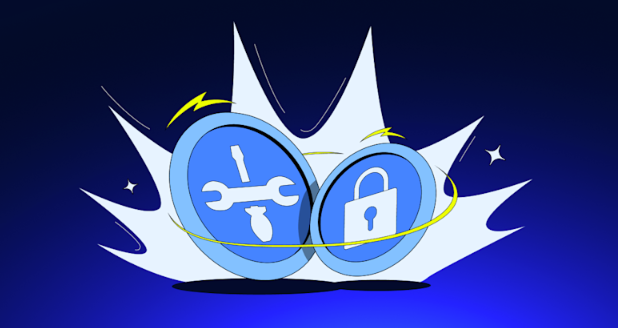
The debate between blockchain technology and traditional databases centers on their fundamental differences in data management. Traditional databases provide efficiency and speed for high-volume transactions, relying on structured schemas for data integrity. Conversely, blockchain introduces decentralization and immutability, enhancing security and trust. Understanding these characteristics is essential for organizations as they navigate their data strategy. The implications of these choices extend beyond technology, influencing operational dynamics in profound ways.
Key Characteristics of Traditional Databases
Traditional databases are characterized by a structured approach to data management, primarily leveraging a relational model. They prioritize data integrity through strict schema definitions and normalization processes, ensuring consistency across records.
Furthermore, transaction speed is optimized by employing indexing and efficient query processing. This architecture allows for rapid data retrieval and manipulation, appealing to users who value organization without sacrificing performance in data-intensive applications.
Understanding Blockchain Technology
Blockchain technology represents a decentralized approach to data management, distinguished by its distributed ledger system that records transactions across multiple nodes.
This decentralized ledger ensures data immutability, meaning once recorded, transactions cannot be altered or deleted. Such inherent security fosters trust among participants, promoting transparency and eliminating the need for intermediaries, thus empowering users through greater control over their data and interactions.
Comparing Performance and Scalability
Performance and scalability are critical factors that differentiate blockchain technology from traditional databases.
While blockchain offers enhanced data integrity through decentralized consensus, it often struggles with transaction speeds compared to centralized databases.
Traditional systems can efficiently handle high-volume transactions, whereas blockchain’s distributed architecture may lead to latency issues.
This contrast highlights the need for careful consideration when selecting the appropriate data management solution.
See also: Blockchain Security Advantages
Use Cases: When to Choose Which Solution
Choosing the right data management solution hinges on understanding the specific requirements of a given use case.
Traditional databases excel in high-speed transactions and structured data environments, while blockchain suits decentralized applications requiring enhanced security and transparency.
Solution selection depends on factors such as data integrity, scalability, and user autonomy, ultimately guiding organizations toward the most effective technological choice for their unique operational needs.
Conclusion
In the ongoing debate of blockchain versus traditional databases, the decision is not merely a choice of technology but a strategic alignment with organizational goals. As businesses navigate the complexities of data management, the critical question remains: which solution will ultimately prevail in addressing their unique challenges? The answer lies in understanding the specific use cases, performance metrics, and scalability needs, leaving organizations poised on the brink of a pivotal technological evolution that could redefine their operational landscapes.