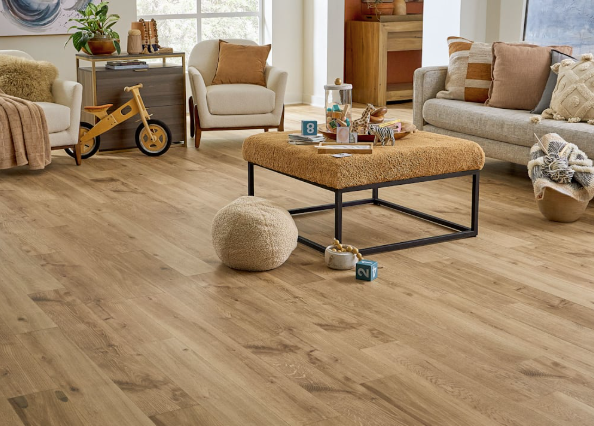
Eco-friendly flooring options balance sustainability with durability and health. Reclaimed wood, bamboo, cork, and linoleum offer renewability, longevity, and potential indoor-air benefits when properly sourced and installed. Certifications and lifecycle data help compare emissions and end-of-life options. Substrate preparation, careful product selection, and regular maintenance influence performance. Energy efficiency and comfort also matter. While these choices vary in impact and cost, identifying reliable data and certifications can reveal options that fit a given space and budget, inviting further evaluation.
What Makes Eco-Friendly Flooring Worth It
Choosing eco-friendly flooring can yield broad environmental and health benefits, and these gains often translate into long-term value for homeowners. Eco options offer quantified cost benefit through durability, lower VOC exposure, and potential energy savings. Consider installation challenges, such as substrate preparation and higher upfront costs, balanced by longer service life and improved indoor air quality, informing a practical, freedom-centered decision.
Reclaimed Wood and Bamboo: Timeless, Low-Impact Choices
Reclaimed wood and bamboo represent two enduring, low-impact options in sustainable flooring.
The material cycles reduce demand for virgin lumber and avoid new forest harvests, while durable performance supports long lifespans.
Reclaimed wood varies in color and grain, requiring appropriate finishes.
Bamboo proliferates as a fast-growing, renewable option, yet concerns about processing and adhesives warrant careful product selection.
Cork, Linoleum, and Natural Alternatives: Comfort Meets Sustainability
Cork, linoleum, and other natural floor coverings offer a combination of comfort and sustainability that contrasts with harder, synthetic options. These materials provide acoustical relief and moderate thermal insulation, contributing to occupant well-being without sacrificing durability. Evidence supports long lifespans with proper care; environmental profiles show renewability and low emissions. Keywords: cork sustainability, linoleum durability. This approach aligns with freedom-minded, evidence-based selection.
How to Evaluate, Install, and Maintain Green Flooring for Longevity
The evaluation, installation, and ongoing maintenance of green flooring require systematic assessment of materials, performance, and lifecycle impacts to support lasting durability. Practitioners compare certifications, emissions data, and durability claims, aligning choices with user priorities for freedom.
Key considerations include the recycling process for end-of-life handling and the impact on indoor air quality, ensuring long-term environmental and health benefits without compromising functionality.
Frequently Asked Questions
How Do Indoor Air Quality Ratings Differ by Flooring Type?
Indoor air quality ratings differ by flooring type, reflecting emissions, off-gassing, and ventilation effects; some materials show lower emissions while others vary with finish and installation. Overall, indoor air quality ratings depend on product standards and testing.
Are There Hidden Costs in Eco-Friendly Flooring?
Hidden costs may arise in eco-friendly flooring, though vary by product and supplier; a thorough assessment includes supply chain transparency, lifecycle costs, installation, maintenance, and ventilation needs. Evidence suggests careful sourcing mitigates financial and environmental trade-offs for freedom-minded buyers.
Can You Install Sustainable Flooring Upstairs or in Bathrooms?
Install upstairs and bathrooms upstairs can be feasible with proper materials and moisture testing; long-term performance depends on choosing water-resistant, durable options, appropriate underlayment, ventilation, and professional installation to minimize risk of damage and maintenance needs.
See also: Business Automation Technologies
What Certifications Should I Look for When Buying Eco Flooring?
Many buyers assume all certifications are equal; skepticism fades with rigorous testing. Certification essentials include third-party verification, lifecycle data, and transparent labeling. Eco label validity hinges on independent audits validating emissions, durability, and responsible sourcing for informed flooring choices.
How Durable Are Natural-Fiber Floorings in High-Traffic Areas?
Natural-fiber floorings exhibit moderate to good durability in high-traffic settings, though performance varies by material. Evidence suggests durability in high traffic improves with proper backing and finish; natural fiber performance in hallways is generally acceptable but context-dependent.
Conclusion
Eco-friendly flooring blends durability, health, and environmental responsibility, offering long-term value through materials like reclaimed wood, bamboo, cork, and linoleum. When properly sourced, certified, and installed, these options minimize emissions and maximize recyclability. Substrate preparation and maintenance extend life, while continued attention to indoor air quality supports well-being. Like a well-tuned system, sustainable floors deliver steady performance over time, balancing comfort, cost, and ecological impact with evidence-based confidence.