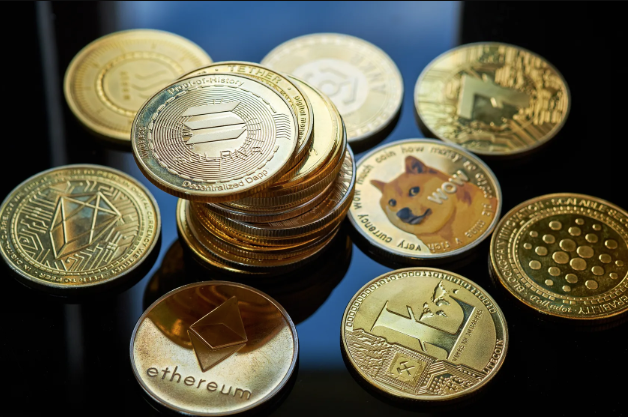
The distinction between utility tokens and security tokens is critical in the blockchain realm. Utility tokens grant access to services within a platform, often operating with fewer regulations. Conversely, security tokens represent ownership in tangible assets and face rigorous regulatory scrutiny. Understanding these differences is essential for stakeholders in the evolving digital landscape. As the market continues to mature, the implications for investors and developers become increasingly significant.
Understanding Utility Tokens
What defines a utility token within the landscape of blockchain technology?
Utility tokens offer specific token functionality, enabling users to access a product or service within a decentralized ecosystem.
Their token use cases encompass a variety of applications, including transaction fees, governance participation, and access to features.
These attributes distinguish utility tokens as essential components of blockchain networks, promoting user engagement and innovation.
Exploring Security Tokens
How do security tokens differentiate themselves within the blockchain ecosystem?
Security tokens, governed by stringent security token regulations, represent ownership in real-world assets. They enable security token offerings (STOs) that comply with legal frameworks, thus providing investors with enhanced protections.
This compliance fosters trust and market integrity, aligning the interests of issuers and investors while facilitating capital access in a regulated environment.
Key Differences Between Utility and Security Tokens
The distinction between utility tokens and security tokens lies primarily in their intended use and regulatory status.
Utility tokens facilitate access to a service, whereas security tokens represent ownership in an asset.
This fundamental difference affects token classification criteria and regulatory implications; utility tokens typically evade stringent regulations, while security tokens must comply with securities laws, impacting their issuance and trading.
See also: Business Automation Technologies
Benefits and Challenges of Each Token Type
Evaluating the benefits and challenges associated with utility and security tokens reveals distinct advantages and hurdles inherent to each type.
Utility token advantages include enhanced access to platform services and lower regulatory constraints.
Conversely, security token risks encompass compliance complexities and potential legal repercussions.
Ultimately, stakeholders must navigate these factors to determine the most suitable token type for their specific use case and objectives.
Conclusion
In navigating the complex landscape of blockchain tokens, the dichotomy between utility and security tokens emerges as both a reflection of technological innovation and a response to regulatory imperatives. While utility tokens drive engagement and foster decentralized ecosystems, security tokens underscore the necessity of investor protection and compliance. This intersection of purpose and regulation not only shapes market dynamics but also underscores the evolving nature of digital assets, revealing a nuanced interplay that defines the future of the blockchain economy.